· 2 min read
Impact of Recent U.S. Tariff Policies on Transfer Pricing Dynamics
Sustainability is redefining transfer pricing policies. ALS Transfer Pricing integrates ESG factors into multinational tax strategies through green intangible valuation, efficient cost allocation, and AI-based solutions to ensure compliance, consistency, and corporate reputation.
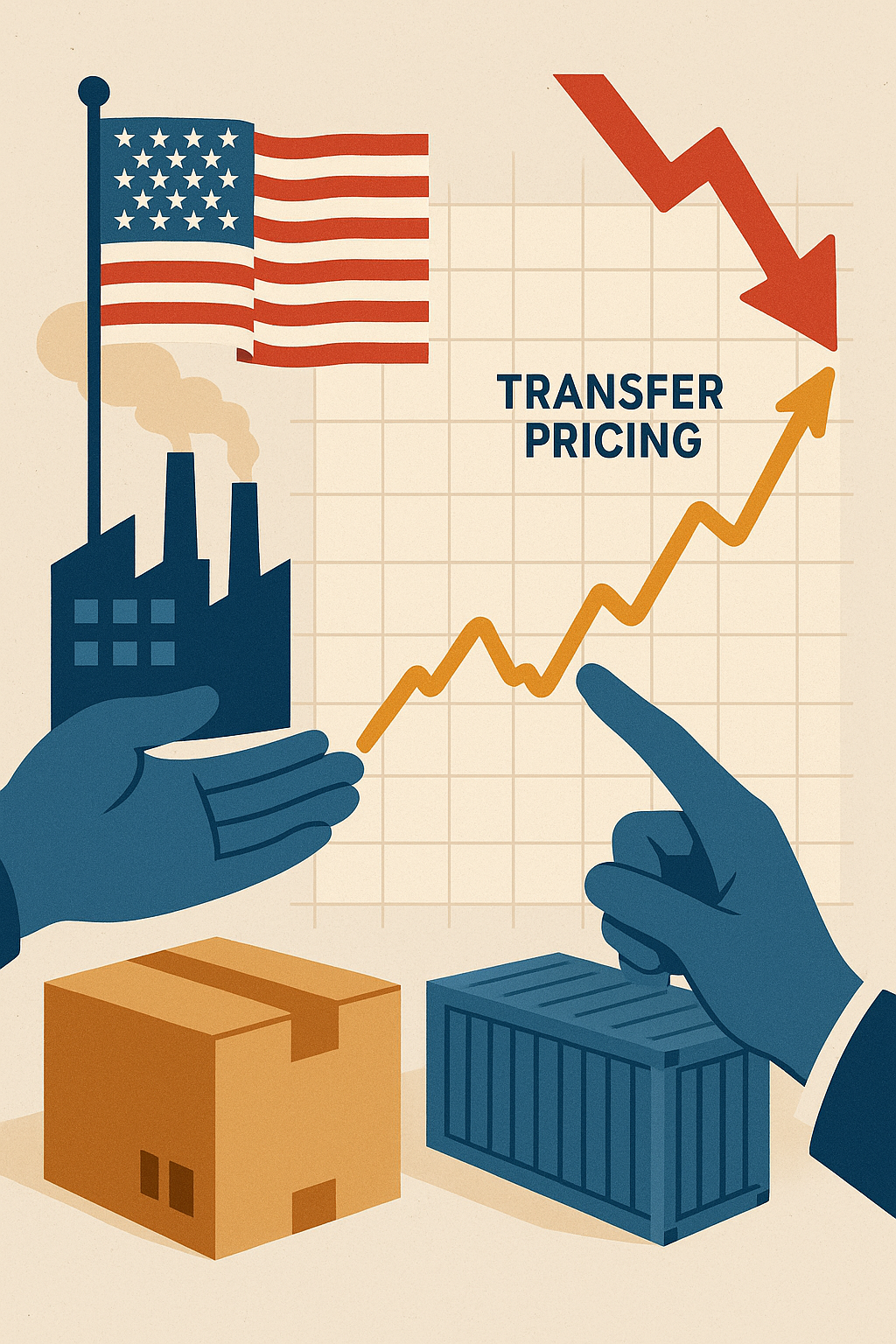
Recent tariff policies implemented by the United States have had a significant impact on global transfer pricing dynamics. The Trump administration introduced a series of tariffs that transformed the landscape of international trade. Although some of these measures have been adjusted, the legacy of that protectionist approach remains evident in 2025.
In this context, U.S. tariff measures—combined with retaliatory responses from other nations—continue to be a source of uncertainty and volatility in global supply chains. This environment forces companies to operate in a state of constant change, where competitive advantages can rapidly erode and supply strategies must be continuously reviewed and adapted.
Impact on Transfer Pricing
The effect of these tariff-related developments on transfer pricing is substantial and manifests across several key areas:
Cost and Margin Distortion
Tariffs artificially increase the cost of imported intermediate and finished goods. This directly affects the gross margins of companies operating in international supply chains. Transfer pricing policies must be adjusted to reflect these new economic conditions while remaining consistent with the arm’s length principle. Determining how the cost increases should be allocated across related entities becomes a complex issue.
Reassessment of Functions, Assets, and Risks (FAR)
Tariff imposition can force companies to change their operating models. For instance, shifting production to countries not subject to tariffs or seeking new suppliers results in changes to the functions performed, assets used, and risks assumed by various group entities. These changes must be properly reflected in the group’s transfer pricing policies.
Impact on Competitiveness and Intangible Asset Valuation
Tariffs can reduce the competitiveness of companies reliant on taxed imports. This, in turn, may affect the profitability of intangible assets tied to those products or markets, such as trademarks or intellectual property. Valuing these intangibles for transfer pricing purposes becomes more intricate in a tariff-influenced environment.
Increased Complexity in Transfer Pricing Methods
Traditional transfer pricing methods—such as cost-plus or resale price—can be hindered by tariff-induced market distortions. Companies may need to explore more sophisticated methods or make substantial adjustments to ensure continued compliance with the arm’s length standard.
Heightened Risk of Tax Disputes
The opacity and complexity of the tariff landscape increase the likelihood of disputes with tax authorities across jurisdictions. Solid documentation and a robust economic justification of transfer pricing policies are essential to mitigate this risk.
At ALS, we help you tackle any transfer pricing challenge. From tariff-related issues to complex cross-border structures, our team combines technical expertise with strategic insight to support you at every step.