· 3 min read
ESG and Transfer Pricing: Integrating Sustainability and Tax Compliance
Sustainability is redefining transfer pricing policies. ALS Transfer Pricing integrates ESG factors into multinational tax strategy through green intangible valuation, efficient cost allocation, and AI-based solutions to ensure compliance, consistency, and corporate reputation.
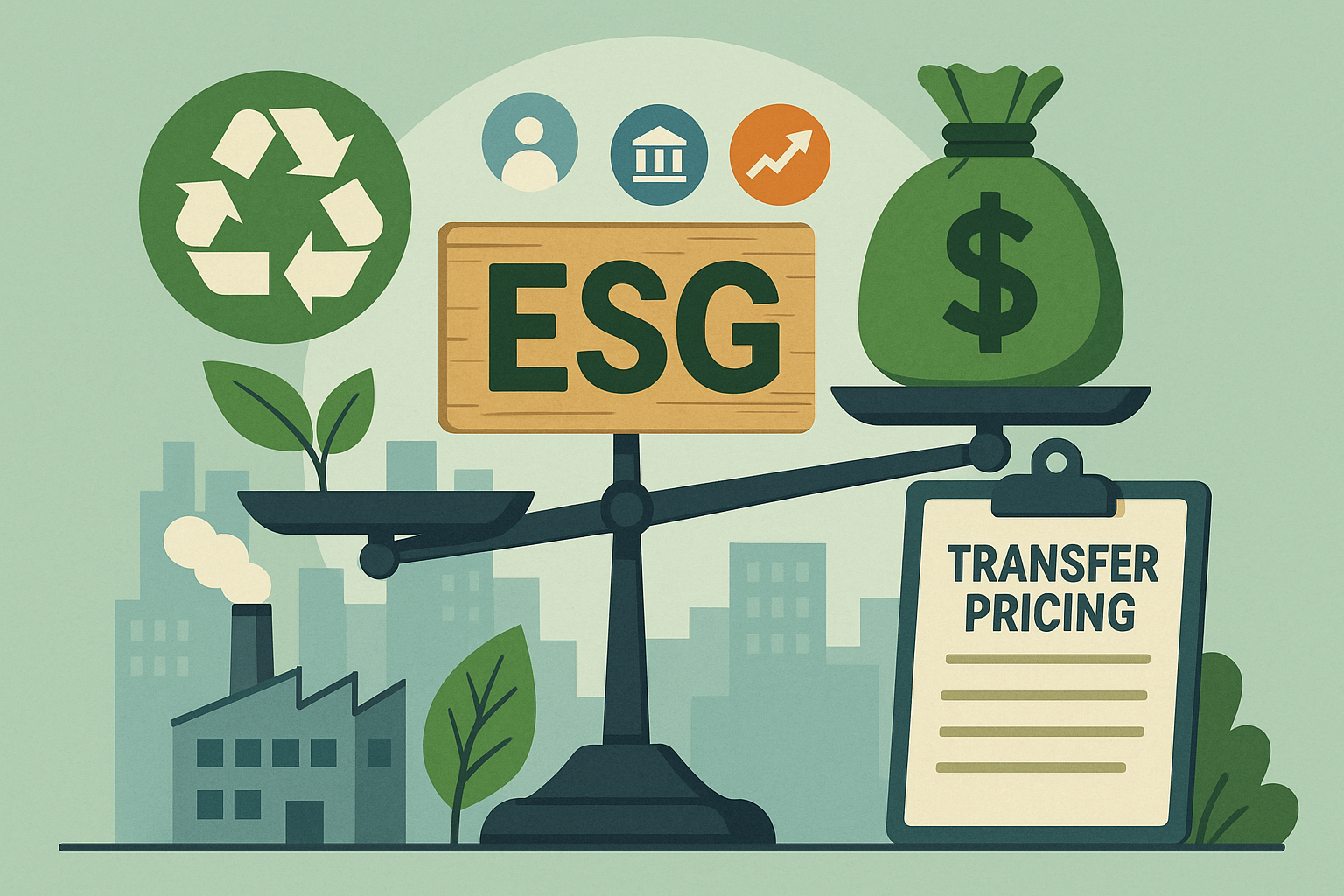
In a world increasingly focused on sustainability, ESG factors (Environmental, Social, and Governance) have become a key pillar for companies aiming not only to comply with regulations but also to strengthen their reputation and social commitment. This new paradigm is deeply transforming how multinationals design their transfer pricing policies, as it is now essential to demonstrate how ESG initiatives contribute to value creation in each jurisdiction where they operate.
The Corporate Sustainability Reporting Directive (CSRD), in force since 2024 in the European Union, marks a turning point by requiring companies to provide a high level of transparency regarding their sustainable actions, including tax matters. This places transfer pricing at the center of the conversation on sustainability and corporate responsibility, creating the need to integrate both aspects into a coherent and aligned strategy.
In this context, several key trends are shaping the future relationship between ESG and transfer pricing.
Business restructurings driven by ESG
Commitment to ESG goals is leading many companies to reorganize their operations: centralizing sustainability functions, switching suppliers based on environmental criteria, or reformulating supply chains to reduce their carbon footprint. These restructurings, while essential to meet sustainability targets, have tax implications that must be carefully analyzed to ensure that profit and risk allocation complies with the arm’s length principle.
Green intangibles: identification and valuation
The push for sustainability is generating new intangibles, such as clean technologies or brands associated with responsible practices. Correctly valuing these assets is key to reflecting their real contribution to the multinational group’s results and avoiding tax adjustments by the authorities.
ESG cost allocation among group entities
Initiatives like the implementation of energy-efficient systems or social responsibility programs often involve significant costs that benefit multiple group entities. Determining a clear policy for their allocation, based on sound economic criteria, is essential to meet transfer pricing requirements and avoid double taxation risks.
Green financing: opportunities and tax challenges
Access to instruments such as green bonds or loans with preferential terms introduces new variables: how to allocate the benefits derived from these financial advantages across the group’s subsidiaries? The answer must consider the real value contributed by each entity, while remaining consistent with the overall transfer pricing policy.
At ALS Transfer Pricing, we are committed to integrating sustainability into our clients’ tax strategies. Our services include:
- ESG-Tax Alignment Assessment: We review the alignment between your ESG reports and transfer pricing policies, identifying areas for improvement and risk mitigation.
- Design of Sustainable Transfer Pricing Policies: We develop policies that properly reflect the value creation linked to ESG initiatives, ensuring compliance with the arm’s length principle.
- Advisory on Green Intangible Valuation: We provide guidance on the identification and valuation of ESG-related intangible assets, ensuring fair compensation for the entities involved.
The convergence of ESG and transfer pricing represents a significant opportunity to strengthen sustainability commitments and build a strong reputation with tax authorities, investors, and society.
At ALS, we go a step further by incorporating artificial intelligence to enable more precise and efficient analysis of ESG costs and their impact on transfer pricing policies. Our AI-powered solutions automate the identification of these costs, detect inconsistencies between internal policies and ESG reports, and generate coherent tax documentation aligned with the latest regulatory requirements. In this way, we help our clients anticipate risks and demonstrate with data their commitment to sustainability and transparency.
Contact us today to discover how we can support you on the path toward more responsible and transparent taxation.